Archive of the Anti-Slavery Society, MSS. Brit. Emp. s. 16–25
Minute books and papers. The first minute book has been digitised.
Open the sourceFrederick Douglass and Black abolitionists, 1846–47
Accounts of Douglass’s British tour tend to dwell on Scotland, Ireland and the provinces. This site argues that London mattered as the place where American abolitionists found a press, a pulpit and a lobby, and looks at who else used it.
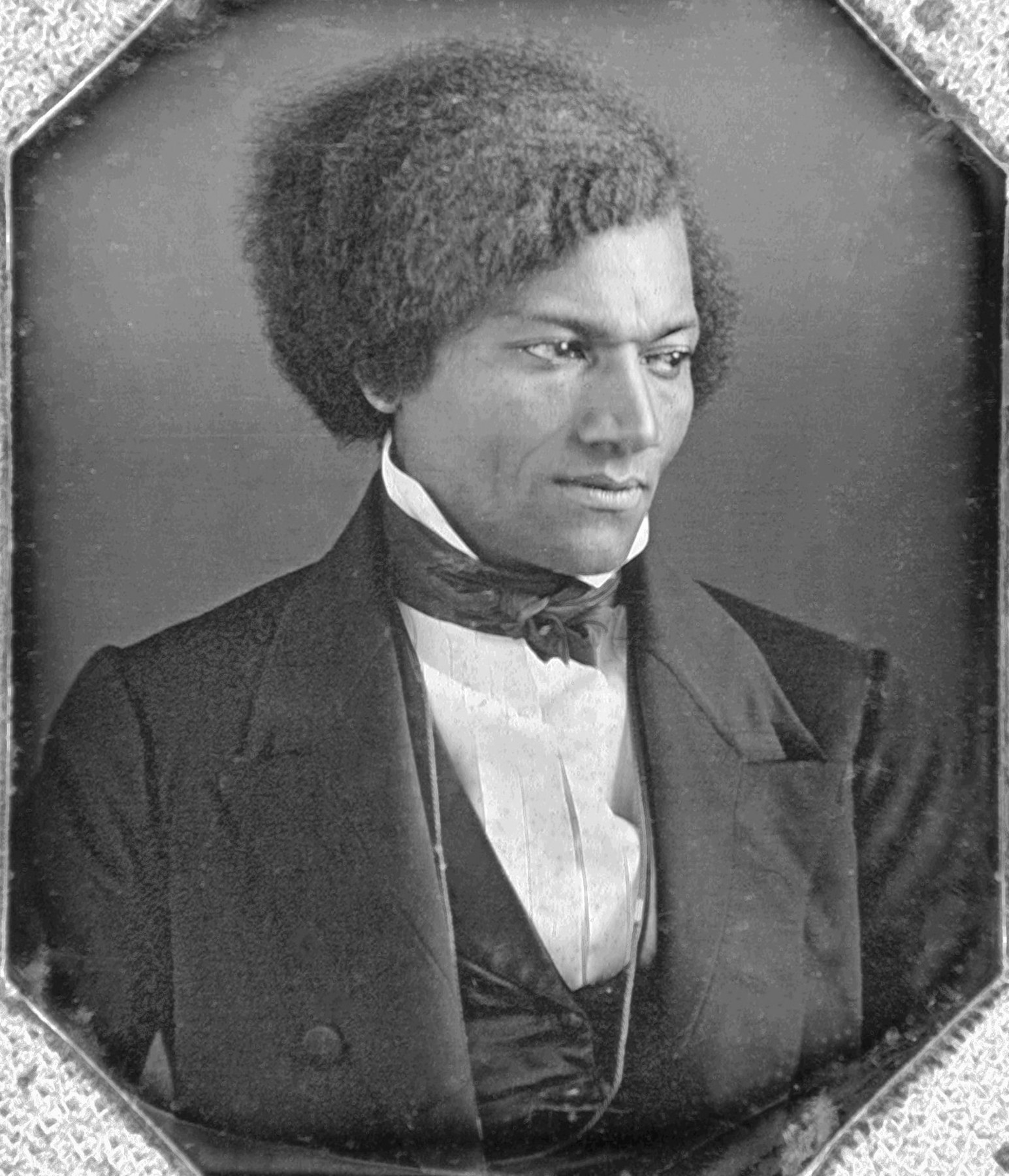
Douglass sailed to Britain in 1845 after publishing his Narrative. He spent two years lecturing and left in 1847. Our task is to test how much of that happened in London, and what the capital offered that other places did not.
The British and Foreign Anti-Slavery Society was based in London, and its journal, the Anti-Slavery Reporter, carried news of the movement. The Society’s archive is at the Bodleian Library. Hannah-Rose Murray’s online map records nearly 5,000 lectures by Douglass and 25 other African Americans across Britain and Ireland, and it lets us check the London share of the tour.
Minute books and papers. The first minute book has been digitised.
Open the sourceDigitised volumes of the Society’s journal.
Open the sourceSearchable map and database of lecture venues.
Open the sourceThe Frederick Douglass Papers Project has transcribed four London addresses we can use. On 22 May 1846 he spoke at Finsbury Chapel about American slavery, American religion and the Free Church of Scotland. In September he spoke at the Evangelical Alliance. His farewell was in London on 30 March 1847. Each came with an audience and a newspaper report to read against it.
Address delivered in London at Finsbury Chapel.
Open the sourceAddress delivered in London.
Open the sourceHis last London address of the tour.
Open the sourceIn late 1846 Anna and Ellen Richardson of Newcastle raised £150 to buy Douglass’s legal freedom from Hugh Auld. It raises a question we should test in the sources: was paying a slaveholder for his freedom a victory or a concession?
University page on his time in the city and the purchase of his freedom.
Open the sourceWilliam and Ellen Craft arrived in 1850, and their account of escaping slavery was published in London by William Tweedie in 1860. Sarah Parker Remond arrived in 1859. Douglass’s own lodging at Whitehead’s Grove in Chelsea now has a plaque, which tells us who gets remembered.
Full text of the 1860 narrative.
Open the sourcePlaque and short biography.
Open the sourceThe London plaque for his 1846 stay.
Open the sourcePlaques, archives and public history are being argued over now, including who counts as part of Britain’s story of abolition. Douglass shows American activists using Britain strategically, which cuts against a comfortable version in which Britain simply led the way.
Frederick Douglass (1840s).jpg, Wikimedia Commons (https://commons.wikimedia.org/wiki/File:Frederick_Douglass_(1840s).jpg). Retouched portrait taken in the 1840s, author unknown. Licence on the Commons page: public domain.